

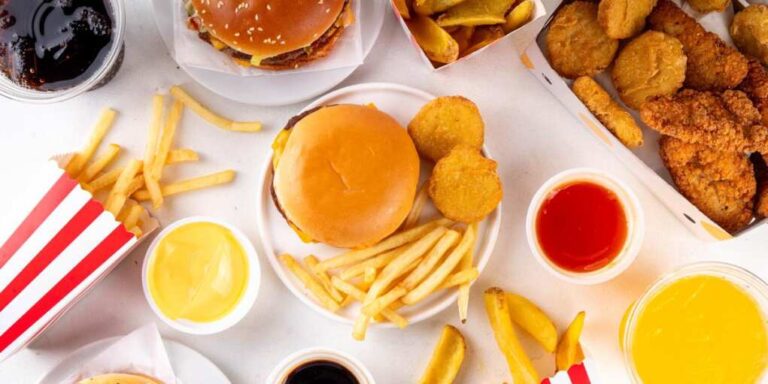
Between 2021 and 2023, over 53% of American adults’ daily calories came from ultra-processed foods. That number skyrockets to nearly 62% for children, according to the U.S. Centers for Disease Control and Prevention. These aren’t just pre-packaged snacks—they include everyday meals like burgers, sandwiches, pizza, chips, and sugary drinks.
The CDC defines ultra-processed foods as “hyperpalatable, energy-dense, low in dietary fiber,” and packed with “high amounts of salt, sweeteners, and unhealthy fats.” Translation: calorie bombs with barely any nutritional value.
Health and Human Services Secretary Robert F. Kennedy Jr. minced no words when asked about the findings earlier this year. “We are poisoning ourselves,” he told Fox News. “And it’s coming principally from these ultra-processed foods.”
The agency’s latest report pulls back the curtain on what Americans are really eating:
- Adults got 8.6% of their calories from sandwiches and burgers alone, followed by sweet baked goods (5.2%), sugary drinks (4.4%), salty snacks (3.4%), and breads/tortillas (3.1%).
- Children’s diets were similar: sandwiches (7.6%), sweet baked goods (6.3%), savory snacks (4.9%), pizza (4.7%), and sugary drinks (3.9%).
The CDC notes a subtle dip in ultra-processed consumption over the past decade—but it’s not enough to make a real dent. In 2013–2014, adults were at 56%. In 2017–2018, kids were at 66%. We’re still a long way from turning the tide.
The data shows clear trends based on age and income. Younger adults and low-income Americans eat the most ultra-processed food. Older adults (especially those over 60) and higher earners eat the least—but no demographic is escaping the effects.
Among the report’s more troubling details is the early start of this diet pattern. Even toddlers and preschoolers are now getting the majority of their calories from factory-made foods loaded with chemicals, sugars, and industrial oils.
What’s behind the explosion of this food type? Experts say it’s a mix of convenience, aggressive marketing, and declining home-cooking habits. Combine that with supply chains flooded by ultra-processed goods, and you’ve got a perfect storm for poor health.
The long-term risks are serious. Decades of research tie ultra-processed food consumption to obesity, heart disease, type 2 diabetes, and early death. Yet it’s quietly become America’s default diet.
The CDC also noted mounting confusion over how these foods are defined. The FDA and USDA recently issued a call for input on how to create a consistent national definition of “ultra-processed foods.” Until that’s resolved, food companies can keep hiding behind vague or misleading labels.
Critics say this is no longer just a personal health issue—it’s a political one. With taxpayer-funded healthcare and food assistance programs increasingly footing the bill for diet-related illnesses, many are asking why Congress hasn’t done more to rein in the food industry.
“If this much of our population was addicted to cigarettes, there would be outrage,” said one nutrition expert. “But when it’s snack food, pizza, or soda, we shrug. That’s not just unhealthy—it’s cultural denial.”
For now, the numbers don’t lie: America’s diet is built on ultra-processed foods, and until that changes, so will our health.